Hypnagogic dreams: what they are and why they happen
Hypnagogic dreams are the images, sounds or sensations that appear right on the threshold between waking and sleep. They are not ordinary dreams, but they are just as revealing.
What are hypnagogic dreams?
The hypnagogic state is the transition phase between being awake and falling asleep. During those minutes, the brain starts generating images, voices or physical sensations before you are fully asleep. They are called hypnagogic hallucinations because they occur before sleep (hypnos = sleep, agogos = leading toward). They are not true dreams: there is no narrative, no characters following a story. They are flashes: a face, a landscape, a stray phrase, a sudden falling sensation.
Difference between hypnagogic dreams and normal dreams
Normal dreams occur during REM sleep, after about 90 to 120 minutes of being asleep. Hypnagogic dreams appear in the first 1-5 minutes of falling asleep, in the N1 sleep phase. REM dreams process emotions and consolidate memory. Hypnagogic experiences are more like the creative noise of the brain as it shuts down the filters of wakefulness. They are not interpreted the same way because their origin is different.
Most common hypnagogic images and sensations
The most frequent are: rapidly changing faces, geometric patterns or lights, the sensation of falling followed by a jerk (hypnagogic myoclonus), voices or music heard clearly, and figures or silhouettes in the room. They are brief and unpredictable. If you are going through an emotionally intense period, they tend to be more vivid and frequent.
What causes hypnagogic dreams more often
Extreme tiredness intensifies them. Sleep deprivation does too. Prolonged stress or anxiety produces more hypnagogic activity. Some people with narcolepsy experience them very intensely. Alcohol and certain antidepressants can suppress or amplify them. They do not indicate any disorder on their own: they are a normal part of the falling-asleep process.
Did a dream leave you with an image you cannot decode?
We analyze the specific symbols that appear in your dreams, including those threshold images you cannot classify.
Request my interpretationHow to use the hypnagogic state deliberately
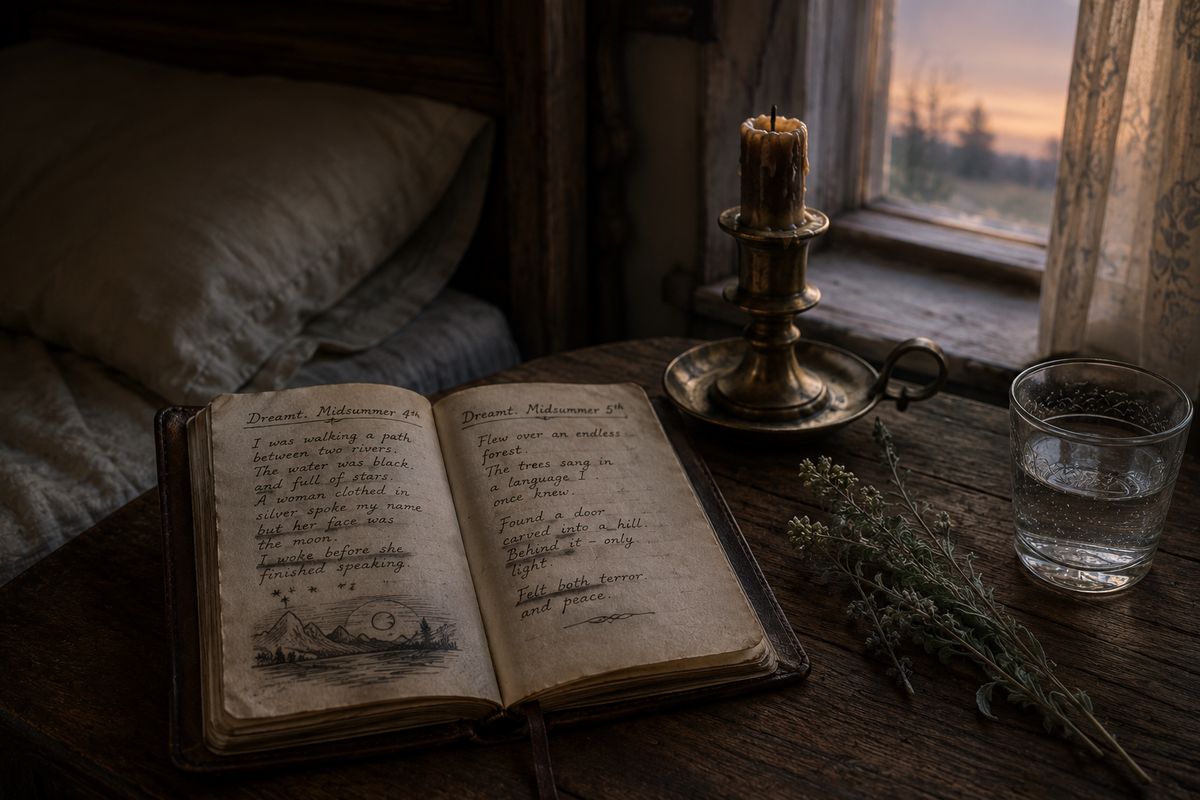
Artists, writers and scientists have used the hypnagogic state on purpose. Salvador Dali would sit holding a key: when he fell asleep and dropped it, the noise woke him just in time to capture those images. Thomas Edison did something similar with steel balls. To make use of it, relax without fully falling asleep and keep a notebook nearby to write down what you see as soon as you open your eyes.
The link between hypnagogic dreams and lucid dreaming
The hypnagogic state is a gateway to lucidity. The WILD technique (Wake-Induced Lucid Dream) involves staying conscious through that threshold until entering a controlled dream directly. It is not easy or quick, but those who practice regularly find that hypnagogic images become more stable and navigable over time.
The invisible, in your inbox.
Dream interpretations, guides and signals that arrive while the world sleeps.